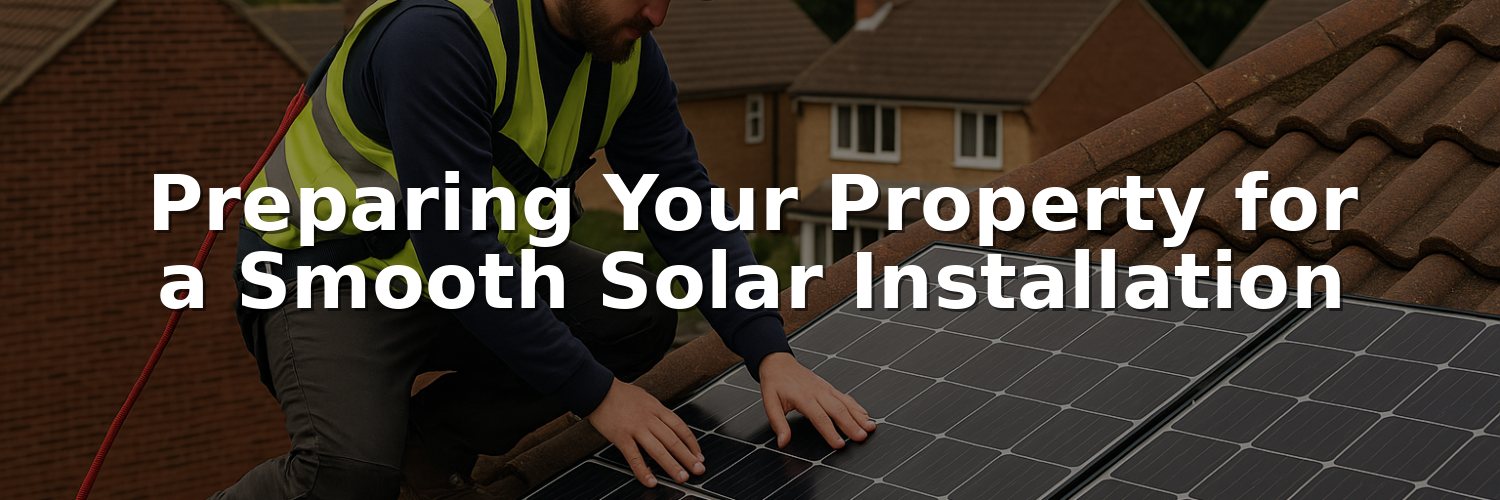
Installing solar PV is a smart long-term investment, but good planning makes the process far smoother. Whether you’re a homeowner, landlord, business or farmer, preparing the site, paperwork and property in advance reduces delays, keeps costs down and improves safety. This guide covers the practical steps you should take before your UK solar installation team arrives.
1. Book a professional survey and roof inspection
Start with a detailed survey. A qualified solar company such as Solar Installers in UK will assess roof suitability, orientation, shading and structural soundness. Surveys typically include:
- Roof inspection to check tiles, felt, battens and rafters
- Shading analysis across seasons to estimate real output
- Measurement of available area and planning of panel layout
- Assessment of access for scaffolding and safety equipment
If you’re exploring options in specific regions, you may find local advice useful — for example guidance for Leeds installations or Newcastle projects at https://solarfind.co.uk/site/leeds-solar/ and https://solarfind.co.uk/site/newcastle-solar-panels/. For agricultural sites, specialist surveys are available at https://solarfind.co.uk/site/farming-solar/.
2. Check permissions, planning and DNO requirements
Most domestic rooftop systems do not need planning permission, but listed buildings, conservation areas or non-standard roofs may. Your installer will advise and can handle DNO applications for grid connection or export meters. Prepare:
- Title deeds or landlord consent if you don’t own the property
- Information on battery storage or EV chargers if you plan to add them
- Details of nearby overhead lines or commercial connections for larger systems
Early engagement with the Distribution Network Operator (DNO) avoids connection delays for commercial or high-capacity systems.
3. Prepare the roof and property for works
A few practical steps before installers arrive make the job quicker and safer:
- Repair loose tiles, slipped flashings or rotten timbers identified in the survey
- Clear loft space above the installation area to allow roofers to work safely
- Provide parking close to the property for vans and delivery of panels
- Arrange access to the consumer unit/electrical intake for inverter installation
For flat roofs or ground-mounted systems, mark out the proposed area and clear vegetation or debris. If roof access is tight, discuss scaffold or cherry picker requirements — your installer will specify what’s needed.
4. Decide on inverters, storage and monitoring
Selecting the right inverter and battery strategy is crucial. Options include string inverters, hybrid inverters, microinverters and optimisers. Consider:
- Whether you want battery storage now or to provision the system for a future battery upgrade
- Smart meters and monitoring apps for performance tracking and export data
- EV chargers or carport solar if you plan to electrify transport
Solar Installers in UK can explain the pros and cons of each approach and integrate smart monitoring so you can track generation and savings remotely. If you’re researching brands or additional kit, see specialist suppliers like https://novavoltsolar.co.uk/.
5. Health & safety, scaffolding and neighbouring properties
Professional installations follow strict health and safety rules. Agree in advance who will provide scaffolding and whether temporary roof protection is necessary. Also:
- Inform neighbours if scaffold or access will affect shared driveways or boundaries
- Discuss bird protection and roof penetrations to prevent future issues
- Ensure pets and children are kept away from the work area during installation
Installers should be MCS-aware and carry public liability insurance. Solar Installers in UK will co-ordinate scaffolding, DNO liaison and safety checks as part of the project plan.
6. Plan for maintenance, warranties and aftercare
Preparing for future upkeep at the time of installation saves time later. Ask about:
- Maintenance plans covering cleaning, checks and performance reporting
- Warranty details for panels, inverters and batteries and who handles claims
- Remote monitoring options and export metering for revenue or export tracking
Recording serial numbers and model details on completion makes future repairs and upgrades easier. If you manage commercial sites or multiple properties, consider a central monitoring portal so you can compare performance across sites.
7. Final checks before installation day
On the eve of installation, confirm the practicalities to avoid surprises:
- Confirm installer arrival window and expected duration
- Ensure clear access to the consumer unit, loft and installation area
- Have any necessary permissions or consents available on site
- Arrange someone to be present for sign-off if certificates need signing
With these steps completed you’ll help ensure a tidy, efficient installation and a faster route to savings and lower bills. Solar Installers in UK can guide you through surveys, system design, DNO applications and battery-ready installations to future-proof your property. For more local insight and solar advice, check resources such as https://solarfind.co.uk/site/solar-panel-advice/ and regional hubs including the https://solarfind.co.uk/site/scottish-solar-hub/.